


72 Hours in Cali: The Itinerary I Give Every Visiting Friend
Discover Cali in 72 hours with my curated itinerary. From San Antonio's charm to salsa rhythms, Pance's nature, and Cristo Rey's views, experience the city through local eyes.
Written before the August 10 earthquake
This article describes Cali as it was before the earthquake. Venues, opening hours, routes and conditions mentioned here have not been re-checked, and some places may be damaged, closed or unreachable. Treat it as background, not as current guidance.
Emergency information and official updatesMirá, parcero, when friends visit Cali, they often ask me for the ultimate itinerary. They want to know where to go, what to eat, and how to truly feel the city. Cali isn't just a place you see; it's a rhythm you move to, a flavor you taste, a warmth that settles in your bones. It's the city my grandfather described, alive and beating, just as it was in the 70s.
This isn't just a list of tourist spots. This is the three-day borondo (evening cruise) I guide my closest friends on, revealing the Cali I know and love. We'll dive into our history, dance to our salsa, and taste the vibrant flavors that make us unique. Prepare to sweat, to laugh, and to fall a little bit in love with the Sucursal del Cielo (Heaven's Branch).
Day 1: San Antonio, the river, and a salsa club initiation
We start in San Antonio, the heart of old Cali, where the city’s colonial charm is still palpable. I always tell my friends to begin their day here, wandering the cobblestone streets before the midday sun gets too intense. Grab a pandebono (cheesy bread) and a strong café tinto (black coffee) from any corner panadería — the aroma alone is enough to wake you up.
Walk up to the Parque de San Antonio, where the iconic church stands guard over the city. From here, you get a glimpse of Cali sprawling out below, a patchwork of red roofs and green trees. The park itself is a hub for storytellers, street performers, and artisans selling their crafts, a tradition that has been alive for decades. You'll see families, couples, and solo travelers just soaking in the atmosphere.
Spend your late morning exploring the artisan shops and galleries that line the streets, especially around the Loma de la Cruz. You'll find everything from intricate wooden carvings and colorful ceramic pottery to handmade leather goods and vibrant textile art. It's a fantastic place to pick up a unique souvenir that carries a piece of Caleño soul. I once found a beautiful hand-painted marimba here that now sits in my living room.
For lunch, we'll stay in the area. San Antonio and its neighboring El Peñón are packed with fantastic traditional restaurants. I usually take friends to a spot that serves a hearty sancocho de gallina (chicken soup) or arroz atollado (a rice dish similar to paella but with more broth and local ingredients). The flavors are rich, comforting, and quintessentially Vallecaucano.
After lunch, we'll take a leisurely stroll along the Cali River, past the famous Gato de Tejada (Tejada's Cat sculpture) and his many colorful Gatas del Río (River Cats). This borondo is a ritual for Caleños, a chance to enjoy the shade of the trees and the gentle breeze from the river. It’s a moment to slow down and simply be in Cali, watching life unfold around you.
From the river, we can walk towards Plaza de Cayzedo, the city's main square, flanked by the Catedral Metropolitana and the Palacio de Justicia. It’s a bustling area, full of street vendors, shoeshine boys, and people going about their daily lives. The architecture here tells a different story of Cali, one of commerce and civic life, a stark contrast to the bohemian vibe of San Antonio.
As evening approaches, we'll head for an early dinner. You could choose a more traditional spot in Centro or return to El Peñón for a slightly more upscale experience. Places like Ringlete offer traditional Caleño dishes with a modern twist, perfect for fueling up before our main event: salsa. This is, after all, the Salsa Capital of the World.
For your salsa initiation, I always recommend La Topa Tolondra. It’s iconic, vibrant, and welcoming to all skill levels – from seasoned dancers to those taking their very first steps. The energy is infectious, the music is loud and proud, and you'll see couples effortlessly gliding across the floor, embodying the spirit of Cali. Don't be afraid to try a few steps; Caleños are incredibly patient and encouraging.
If La Topa feels a bit too intense, Tin Tin Deo offers a slightly more serious, dancer-focused atmosphere, but still incredibly authentic. Remember, safety is key late at night. As Maya Schmidt, our expat contributor, always emphasizes in her safety guides, always use ride-sharing apps like Uber or a trusted taxi service to get home. Never walk alone late at night, especially after a few aguardientes (anise-flavored liquor).
Day 2: A Pance morning, a Granada lunch, a Cristo Rey sunset
Day two starts with an escape to nature. We'll head south to Río Pance, a beloved natural retreat for Caleños. This is where we go to cool off from the city's heat and reconnect with the lush surrounding mountains. It’s about a 45-minute drive from central Cali, so an early start is best to avoid traffic and enjoy the tranquility.
Along the riverbanks, you'll find numerous spots where you can dip your toes, swim in the cool, clear waters, or simply relax under the shade of the trees. La Vorágine is a popular spot, often with vendors selling refreshing drinks and snacks. The air here is crisp, and the sounds of the river are incredibly soothing, a perfect antidote to the city's bustle.
While you’re there, make sure to try some local snacks. Vendors along the road to Pance offer delicious empanadas and champús (a cold drink made from corn, lulo, pineapple, and spices). It’s a simple pleasure that perfectly captures a Caleño weekend morning. My family used to pack a picnic and spend entire Sundays here when I was a child.
After a refreshing morning, we'll return to the city for lunch in Granada. This neighborhood offers a completely different vibe than San Antonio. It's more modern, upscale, and known for its diverse culinary scene. You'll find everything from Italian trattorias and sushi bars to contemporary Colombian fusion restaurants.
I often take friends to Platillos Voladores for an elevated take on Colombian cuisine, or if we're feeling something more casual, Fusión Wok offers great Asian-inspired dishes. Take your time to walk around the leafy streets of Granada after your meal. You'll notice stylish boutiques, art galleries, and charming cafes perfect for an afternoon tinto or a refreshing lulada (lulo fruit drink).
From Granada, we can walk towards the Parque del Centenario and the Bulevar del Río, which offers a pleasant pedestrian promenade along the Cali River, connecting to the historic center. It’s a great spot for people-watching, often featuring street artists and musicians, especially on weekends.
As the afternoon wanes, we'll prepare for one of Cali's most iconic experiences: watching the sunset from Cristo Rey. Perched high above the city, this massive statue of Christ offers breathtaking panoramic views. The best time to go is just before sunset, as the sky transforms into a canvas of oranges, pinks, and purples, casting a golden glow over the sprawling city below.
Getting to Cristo Rey requires a taxi or Uber, and it's important to be aware of your surroundings, especially as it gets dark. While the view is spectacular, it’s a popular tourist spot, so keep an eye on your belongings. Maya often reminds our readers to be mindful in crowded areas.
For dinner, you could explore Ciudad Jardín or El Limonar, neighborhoods known for their array of restaurants, offering everything from classic Colombian fare to international cuisine. Or, if you're craving more salsa but a slightly different atmosphere, Zaperoco offers a fantastic, curated music selection in a more intimate setting than the bustling dance floors of La Topa.
Day 3: Market, museum, Petronio-adjacent music, and a goodbye sancocho
Our final full day begins with an immersion into the vibrant heart of Caleño life: Galería Alameda. This isn't a polished supermarket; it's a bustling, sensory explosion. The air is thick with the scent of exotic fruits, fresh herbs, and sizzling street food. It’s chaos, but a beautiful, organized chaos that truly reflects the spirit of our city.
Wander through the stalls and marvel at the incredible array of produce: mountains of chontaduro (peach palm fruit), baskets of borojó (a dark, potent fruit), and every tropical fruit you can imagine. Don't be shy; ask vendors to let you sample things. Try an aborrajado (sweet plantain stuffed with cheese, battered and fried) or a refreshing lulada from one of the many food stalls. The galerías are the pulse of our neighborhoods, where communities gather and traditions thrive.
After the vibrant energy of the market, we’ll seek a different kind of cultural immersion at Museo La Tertulia, Cali's modern art museum. Located beautifully alongside the Cali River, it offers a serene contrast to the market's hustle. The museum showcases an impressive collection of Latin American and Colombian art, often featuring thought-provoking contemporary exhibitions.
Alternatively, if you're more interested in ancient history, the Museo del Oro Calima (Gold Museum) in Centro provides a fascinating glimpse into the pre-Columbian cultures of the Calima region, with stunning gold artifacts. Either choice offers a deep dive into the artistic and historical layers of our region. You can find more about our cultural institutions on our culture and events page.
For lunch, we'll find a casual spot near La Tertulia or head back towards Centro for a traditional menu del día. These lunch specials offer a delicious, affordable, and authentic meal, typically including a soup, a main course with meat, rice, and plantains, and a small drink. It’s the kind of meal Caleños eat daily, fueling their afternoons.
In the afternoon, we'll tune into the rhythms of the Pacific. While the Petronio Álvarez Pacific Music Festival in August is the biggest celebration of Afro-Colombian music, its spirit lives year-round. We'll seek out a venue or cultural center that keeps the currulao and marimba traditions alive. Sometimes, smaller fondas or even certain salsa clubs will dedicate nights to Pacific sounds.
Listen for the enchanting melodies of the marimba de chonta (palm-wood marimba), the deep thrum of the cununos (conical drums), and the rhythmic shake of the guasa (shaker). It's a powerful, ancestral music that tells stories of the Pacific coast and is an integral part of Cali's cultural tapestry, a testament to our diverse roots.
As our 72 hours draw to a close, there's only one fitting goodbye: a hearty sancocho. This isn't just soup; it's a communal meal, a symbol of family, warmth, and gathering. We'll find a sancochería known for its rich, flavorful broth, packed with tender chicken or beef, potatoes, plantains, and corn.
It’s the perfect meal to reflect on the journey, the sights, the sounds, and the unforgettable flavors of Cali. It’s a meal that reminds you of home, even when you’re far from yours, and it’s the taste I hope you carry with you long after you’ve left our city.
If you only have 48 hours (what to cut)
If your time in Cali is limited to just two days, you'll need to make some tough choices. The essence of Cali, for me, lies in its rhythm and its people, so we prioritize experiences that capture that.
First, keep San Antonio and its charming streets, the artisan shops, and the vibrant atmosphere of Parque de San Antonio. This is non-negotiable for understanding the city's soul. Combine your visit with a walk along the Cali River and a glimpse of the Gato de Tejada.
Next, a salsa initiation is paramount. Cali is the Salsa Capital, and experiencing a club like La Topa Tolondra is a must. You can have dinner in El Peñón or San Antonio before heading out to dance the night away.
For your second day, make Cristo Rey your priority for that iconic panoramic view of the city, ideally at sunset. It's a breathtaking experience that gives you perspective on the sprawling urban landscape.
What to cut? Unfortunately, the trip to Río Pance, while beautiful, takes up a significant chunk of travel time. The visit to Galería Alameda or a specific museum might also need to be sacrificed, depending on your personal interests. You could opt for a quicker, less immersive market experience if time allows, but a deep dive might be too much.
If you have 5 days (what to add: Kilómetro 18, San Cipriano)
Ah, five days! Now we're talking. With extra time, you can truly explore beyond the city limits and discover more of the Valle del Cauca's natural beauty and culinary traditions.
Kilómetro 18: Dedicate half a day to a trip up to Kilómetro 18, a famous stretch of road in the mountains just outside Cali. The air here is noticeably cooler and crisper, a welcome change from the city's warmth. It’s a traditional weekend escape for Caleños, known for its cozy restaurants and roadside stalls.
Here, you can savor another delicious sancocho or enjoy freshly baked pandebonos and empanadas with a stunning view of the cloud forest. The drive itself is scenic, winding through lush green mountains, often shrouded in a mystical mist. It’s a perfect spot to relax, breathe fresh air, and enjoy hearty, rustic food, a true local tradition.
San Cipriano: For a full-day adventure, I highly recommend a trip to San Cipriano. This is a unique ecotourism destination known for its incredibly clear rivers and the unforgettable brujitas (motorcycle-powered wooden carts that run on old train tracks). It's located about 2.5 to 3 hours from Cali, near the town of Buenaventura.
The journey itself is part of the experience. Once you arrive, you'll ride the brujitas through dense jungle to the village. From there, you can spend the day tubing down crystal-clear rivers, swimming in natural pools, and simply enjoying the pristine nature of the Pacific rainforest. It’s a rustic, adventurous, and truly Colombian experience, far removed from city life. Remember to pack light and prepare for a day of natural immersion. You can find more details on planning this kind of excursion in our day trips from Cali section.
What I never put on the itinerary (and why)
When I craft an itinerary, my goal is to give you a genuine taste of Cali, not just a checklist of attractions. This means consciously leaving out certain things that, while popular, don't necessarily capture the unique spirit of our city.
First, I generally don't include shopping malls like Jardín Plaza or Chipichape. While they offer modern amenities and international brands, you can find shopping malls almost anywhere in the world. My focus is on experiences that are distinct to Cali, its culture, and its people. I want you to feel the city, not just consume in it.
Similarly, the Zoo de Cali, while a well-regarded institution, doesn't always make my top 72-hour list. It's a lovely zoo, but it doesn't offer the same cultural immersion as dancing salsa, exploring San Antonio's history, or savoring sancocho at a local galería. My priority is the human and cultural vibrancy that makes Cali unique, not generic attractions.
I also rarely suggest self-driving for visitors. Cali's traffic can be chaotic, parking is a challenge, and navigating unfamiliar streets, especially with our sometimes-unpredictable drivers, can be stressful. Taxis and ride-sharing apps like Uber are affordable and readily available, allowing you to relax and enjoy the ride without worrying about directions or parking. As Maya often advises, let a local do the driving so you can focus on the experience.
Finally, I avoid creating overly ambitious, jam-packed schedules. Cali moves at its own pace. It's a city to be savored, not rushed through. The heat, the laid-back atmosphere, and the joy of simply being present mean that trying to fit too much into a single day often leads to exhaustion rather than enjoyment. My itineraries are designed to allow for spontaneity, relaxation, and the chance to truly soak in the moment, rather than just ticking off boxes.
Cali, like any great city, is a tapestry woven with joy, struggle, and an undeniable spirit. It's loud, it's hot, it's sometimes chaotic, but it's always, always alive. This itinerary is just a starting point, a guide to help you find your own rhythm within ours. Come with an open heart and a willingness to dance, and you'll discover a city that will stay with you long after you've left. We'll be here, waiting to welcome you back for another borondo.
On the map
Places mentioned in this article
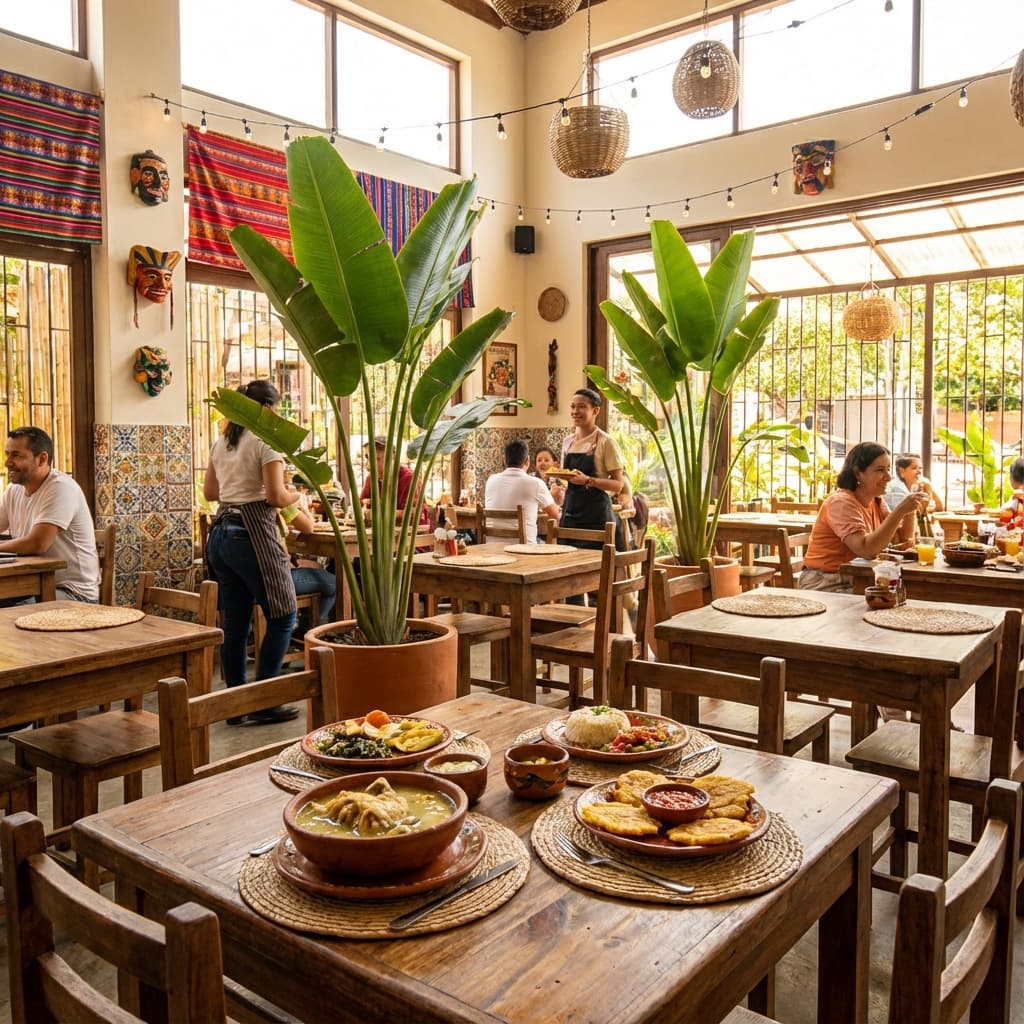
Ringlete
“Elevated traditional cuisine from Valle del Cauca and the Pacific coast, using high-quality local ingredients in a charming restored house.”
- El Peñon · Calle 15 Norte #9N-31

Tin Tin Deo
“Classic salsa discoteca with good music and experienced dancers.”
- San Fernando · Carrera 28 #5-30
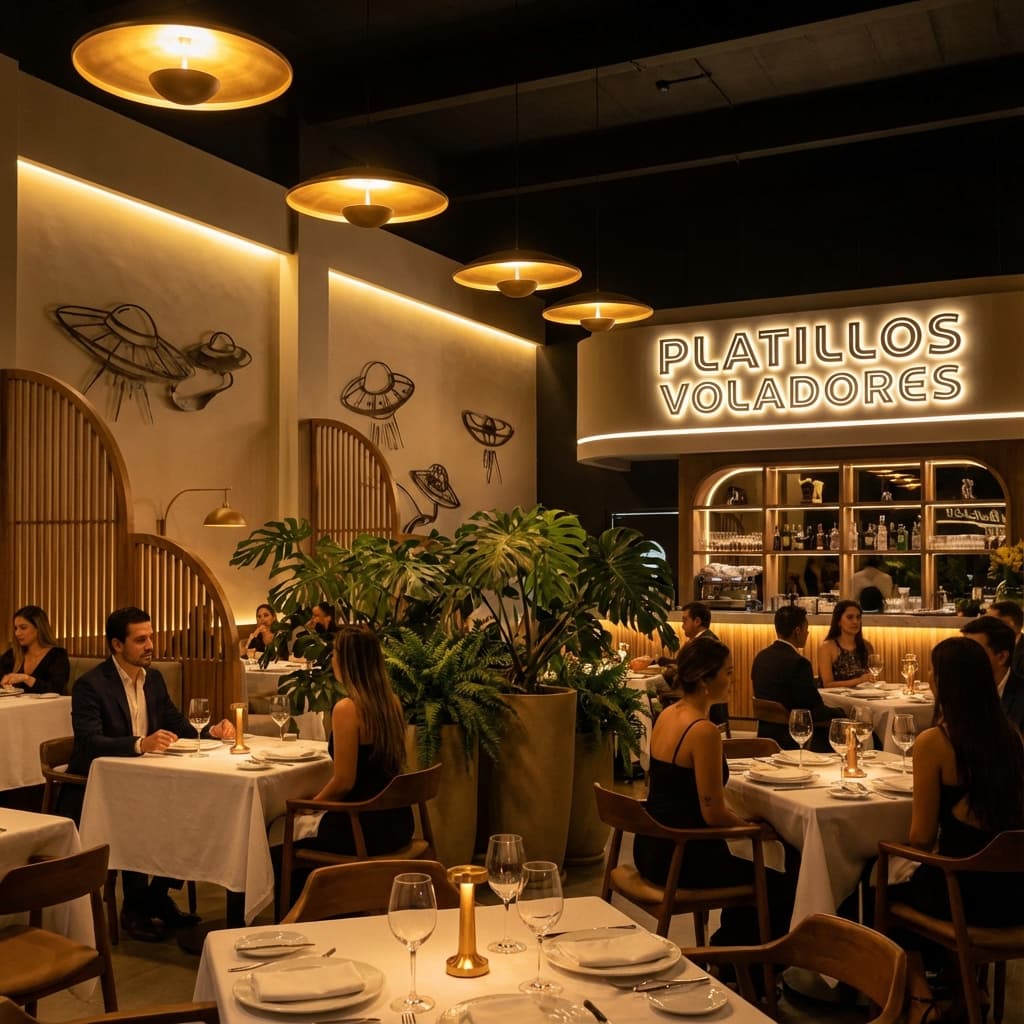
Platillos Voladores
“Award-winning restaurant offering modern interpretations of traditional Colombian dishes in an elegant setting.”
- El Peñon · Calle 2 Oeste #1-60
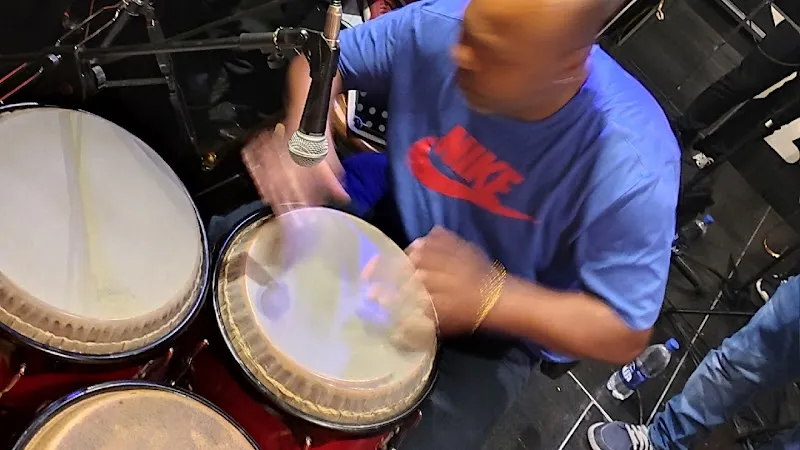
Zaperoco
“Small, serious-dancing bar with strong local crowd. Live bands on some nights.”
- Granada · Calle 10 #8-45
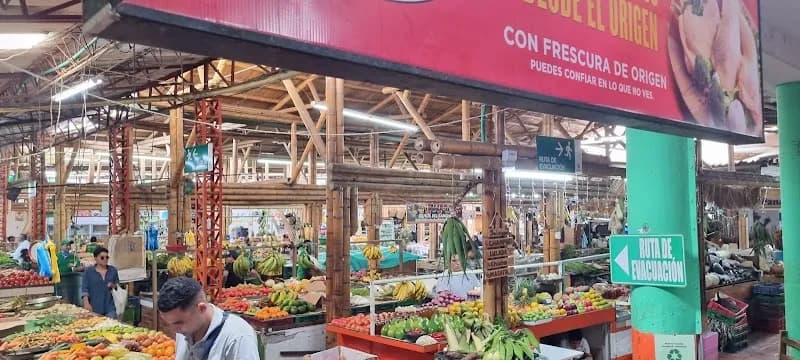
Galería Alameda
“Authentic local market with fresh produce, meats, flowers, and traditional foods. Experience how Caleños shop for their daily groceries.”
- San Antonio · Calle 8 #29-00, Alameda
Frequently Asked Questions
Never miss a story from Cali
Get Valentina's weekly picks — the best restaurants, hidden gems, and local secrets delivered every Friday.
More from The Cali Edit

Taxes in Colombia for Freelancers: The DIAN Reality for Foreign Residents
Navigating Colombian taxes as a foreign freelancer? I break down the 183-day rule, DIAN's portal, and actual costs for a 100M COP income, sharing my expat reality.

The Quiet Room at Museo La Tertulia: A Walk Through the New Permanent Hang
I walk through Museo La Tertulia's recently reinstalled permanent collection, exploring how the new hang illuminates Cali's modern art history and its enduring cultural heart.

Ceviche in Cali: Why the Pacific Coast Changes What You Think It Is
Cali's ceviche scene is a vibrant fusion of Pacific freshness and local flavors. Discover the distinct styles, top cevicherías, and how to savor this essential Caleño dish like a true local.

Cali After Dark: What Changes at 10pm and How I Move
As a German expat, navigating Cali's nightlife took some adjustment. Here's my honest take on safety after dark: neighborhoods, transport, precautions, and avoiding paranoia.

What to See and Hear at Festival Ajazzgo 2026 — A Caleña's Programming Guide
Festival Ajazzgo 2026 is almost here! Join me, Camila Ordóñez, as I guide you through Cali's premier jazz event, from the grand Teatro Municipal to intimate late-night jams. Discover what makes...

Salsa in Cali: The Schools Where You Actually Learn (And Where Tourists Get Sold a Photo)
Beyond the TikTok dances, Cali's salsa scene is a world of history, technique, and fierce pride. Learn where to find the real schools, avoid tourist traps, and maybe, just maybe, learn to move...
More by Valentina Restrepo
All posts
Darién and the Hummingbird Sanctuaries: Cali's Quietest Best Day Trip
Escape Cali's heat for the cool cloud forests of Darién. Discover why this region teems with hummingbirds, visit serene sanctuaries, and plan your perfect day trip from the city with our local...

Cali's Pacific Heart: Understanding the Afro-Colombian Story the Brochures Skip
Cali's heart beats to the rhythm of the Pacific. Explore the deep Afro-Colombian heritage that defines our city, from its history and vibrant culture to the Petronio Álvarez festival and the...

Lake Calima: Wind, Water, and the Weekend Half of Cali You Never See
Discover Lake Calima, Cali's windy weekend escape and kitesurfing paradise. This guide details everything from the drive and activities to the best local food, offering a deep dive into the...