


Six Months in Cali: What I Got Wrong, What I'd Tell Berlin-Me
Six months in Cali, Colombia: A German product designer's unfiltered reflection on expectations versus reality, bureaucratic hurdles, cultural shifts, and the surprising lessons learned about...
Written before the August 10 earthquake
This article describes Cali as it was before the earthquake. Venues, opening hours, routes and conditions mentioned here have not been re-checked, and some places may be damaged, closed or unreachable. Treat it as background, not as current guidance.
Emergency information and official updatesI remember the exact moment I decided on Cali. It was late May 2024, in a humid hostel in Medellín, over lukewarm Club Colombia. A guy from Bogotá, who had lived in Cali for years, leaned across the sticky table and said, "Medellín is nice, but Cali? Cali is real." He didn't elaborate, and I didn't ask. That single, vague sentence was enough to shift my meticulously planned digital nomad itinerary from Bogotá to the Valle del Cauca. My Berlin-brain, always searching for the authentic, latched onto it. I packed my minimalist wardrobe and my German efficiency, ready for whatever "real" meant.
Six months later, sitting in a café in San Antonio, the scent of pandebono and strong tinto filling the air, I can confirm: Cali is real. So real, in fact, that it shattered my carefully constructed notions of comfort and privilege, then slowly, painstakingly, rebuilt them into something far more resilient. This isn't a travel guide, nor a rose-tinted postcard. This is what it was actually like.
What I thought I was coming here for (and what I actually needed)
My initial vision of Cali was a blend of vague promises: a less touristy Medellín, the global capital of salsa, a place where my German design sensibilities might find a unique niche. I pictured vibrant street art, bustling markets filled with exotic fruits, and evenings spent effortlessly gliding across dance floors. I imagined a seamless transition, a place where my digital nomad visa would grant me access to a life of creative freedom and warm weather, a stark contrast to Berlin's grey winters.
What I actually needed, it turned out, was a constant, gentle, yet persistent push outside my comfort zone. I needed to learn patience not as a concept, but as a daily practice. Berlin has conditioned me to expect systems that work, trains that run on time (mostly), and clear, unambiguous instructions. Cali offered a masterclass in the opposite. From the moment I tried to set up internet in my first apartment near El Peñón, I realized my expectations were a foreign language here.
I arrived in early July 2024, the heat hitting me like a physical wall the moment I stepped out of the Alfonso Bonilla Aragón airport. My first taxi ride into the city, past the sprawling comunas on the hillsides, was a jarring introduction. It wasn't the picturesque colonial town I'd romanticized. It was a sprawling, vibrant, sometimes chaotic metropolis. My initial Airbnb, a charming but slightly dilapidated place in San Antonio, quickly became my refuge from the sensory overload.
I thought I needed a new creative environment. What I truly needed was to be stripped of the convenience that my passport and income had always afforded me. I needed to learn to navigate a system designed for Colombians, not for a German expat with a laptop and a vague understanding of Spanish. I needed to confront the limits of my adaptability, and sometimes, my own stubbornness. It was less about finding a new creative output, and more about finding a new way to be in the world.
My first attempts at simple errands, like buying groceries at a supermercado on Avenida Roosevelt or trying to decipher the bus routes, felt like monumental tasks. The language barrier was more significant than I'd anticipated, despite my Duolingo efforts. People were friendly, yes, but also fast-talking, using slang I hadn't learned. I often found myself smiling and nodding, utterly lost, a familiar German frown threatening to surface. It was humbling, to say the least.
I came here expecting to find a different kind of efficiency, a Latin American rhythm. Instead, I found a different definition of efficiency entirely, one rooted in human connection and improvisation rather than strict protocol. This was a concept I'd only read about in textbooks, never truly experienced. I realize now that my initial desire for a fresh creative space was just a veneer for a deeper, unacknowledged need: to shake off the complacency that had settled in after years of comfortable living in Berlin.
The month-three wall, the month-five miracle
Around October 2024, the initial novelty of Cali began to wear thin. The constant humidity, the incessant noise of traffic and vallenato music from every corner, the sheer effort required for what felt like every single interaction – it all started to accumulate. This was my month-three wall. I had successfully navigated the initial visa process (a story for another time, believe me), found a more permanent apartment in Granada, and even started to recognize a few faces at my local panadería. But a pervasive loneliness began to creep in.
I missed the effortless social connections of Berlin, where a casual meet-up for a Späti beer could turn into a deep conversation. Here, despite the warmth of the people, I felt a chasm. My Spanish, while improving, was still a clumsy instrument. I'd try to join conversations at my coworking space near Parque del Perro, but often miss the subtle jokes or cultural references. I'd retreat, feeling like an outsider, a silent observer in a vibrant, fast-moving world. I remember one evening, trying to explain a concept in German product design to a Caleño friend, and seeing his polite, blank stare. The cultural gap felt immense.
During this period, even simple things became frustrating. A diligencia (official errand) at a local bank, Bancolombia, to unblock my debit card after an online purchase, took nearly three hours. I stood in multiple filas (queues), passed between three different asesores (advisors), each time explaining the same problem in my broken Spanish. In Berlin, a similar issue would be resolved with a few clicks online or a five-minute phone call. Here, it was a test of endurance and patience. I felt a deep ache for the predictability of German bureaucracy, a sentiment I never thought I'd express.
Then came November, and with it, a subtle shift. The month-five miracle, as I now call it. It wasn't a single dramatic event, but a series of small breakthroughs. My Spanish suddenly felt less clunky. I could follow entire conversations, even contribute a witty remark (or at least, I thought it was witty). I started recognizing patterns in the city's rhythm, understanding that mañana didn't always mean tomorrow, but a flexible, indeterminate future. I learned to relax into the flow, rather than fight against it.
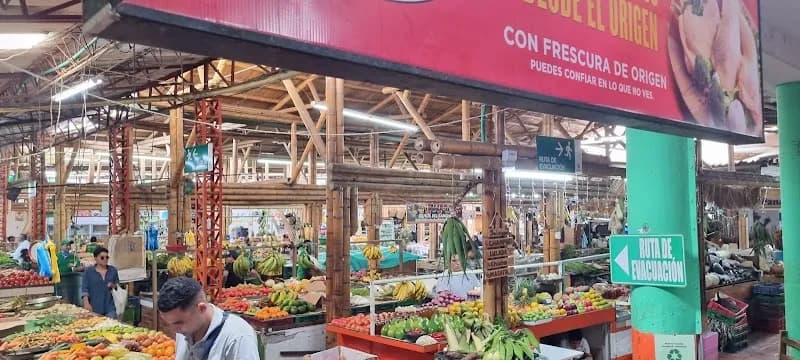
One afternoon, I was at a galería (market) in Alameda, trying to buy chontaduro (a palm fruit). The vendor, an older woman with a kind smile, noticed my hesitation. Instead of just taking my money, she patiently explained how to prepare it, even offering me a taste with salt and honey. It was a small interaction, but it felt profoundly different. It wasn't just a transaction; it was a connection. I walked away, not just with fruit, but with a feeling of belonging, a tiny thread woven into the fabric of the city.
I also started attending salsa classes more regularly at a studio in San Fernando. Not just the beginner classes, but intermediate ones, where the pressure to perform was higher. The sheer physicality, the communal joy, the way people helped each other with a step – it was intoxicating. I wasn't just learning steps; I was learning a new language of the body, a new way to express myself that transcended words. It was a profound release from the mental gymnastics of navigating daily life. You can find many places to learn in our salsa clubs directory. These moments, these small victories, slowly chipped away at the wall I had built around myself, allowing the vibrant energy of Cali to seep in.
Things I took for granted in Berlin that Cali made visible
Living in Cali has been a masterclass in appreciating the invisible infrastructure of my former life. In Berlin, I never thought about public transport; it simply worked. The U-Bahn arrived every few minutes, the tram covered every corner, and walking was a pleasure. Here, the MIO bus system is extensive, but navigating it still feels like a puzzle. The lack of reliable, real-time information, the crowded buses, and the general unpredictability made me realize how much I took for granted the seamless mobility of a European capital. My bike, a trusted companion in Berlin, gathered dust for months, as the roads and traffic here felt too intimidating for casual cycling.
Quiet. Oh, the quiet. Berlin, despite its size, has pockets of profound stillness – the parks, the residential streets in Prenzlauer Berg, even the libraries. Cali is a symphony of constant sound. The barking dogs, the ever-present música from neighboring apartments, the street vendors' calls, the roar of motorbikes, the car alarms. Initially, it was overwhelming. I'd find myself craving the meditative silence of my old apartment in Mitte. Now, I've learned to filter it, to hear the distinct rhythms, but the sheer volume of sound was a shock. My noise-cancelling headphones became an essential tool, not just for work, but for sanity.
Another revelation was the concept of personal space. In Germany, there's an unspoken agreement about proximity; people queue neatly, maintain a respectful distance, and avoid unnecessary physical contact. In Cali, that social contract is different. Queues are more fluid, people stand closer, and casual touches are common. At first, I found it jarring, almost intrusive. I'd instinctively stiffen when someone brushed past me in a crowded tienda. Over time, I've learned to relax into it, to see it as a different manifestation of human connection, but it certainly highlighted my ingrained German aversion to physical proximity.
Digital integration was another stark contrast. In Berlin, I could pay almost anything with a card, manage most bureaucratic tasks online, and access information with a few clicks. Here, cash is still king, especially for smaller purchases. Many tiendas and even some restaurants only accept cash, or efectivo. Government services often require in-person visits, physical documents, and a surprising number of stamps. My first time trying to renew a basic subscription online, only to be told I had to visit a physical office, brought back a wave of frustration. It made me realize how much I relied on the invisible digital scaffolding of my old life, and how much privilege that convenience afforded me. You can read more about navigating these systems in our money and admin category.
Finally, the simple luxury of cold weather. As a German, I appreciate a good, crisp autumn day or a snowy winter. Cali's perpetual tropical heat, while initially novel, became an endurance test. The constant need for air conditioning, the stickiness, the energy drain – it made me miss the feeling of needing a warm jacket, of a cool breeze. It's a silly thing, perhaps, to miss the cold, but it's a testament to how deeply ingrained certain climatic comforts were in my psyche. I acknowledged my privilege in even having the choice to escape such discomforts. For many Caleños, this climate is simply life, and they navigate it with an admirable resilience I could only aspire to.
Things Cali does better than Berlin, and I'll defend it
Despite the initial culture shocks and bureaucratic hurdles, there are undeniable aspects of life in Cali that, after six months, I genuinely believe surpass Berlin. The first, and most obvious, is the sheer vibrancy of human connection. Berlin, for all its artistic energy, can be a cold city, both literally and figuratively. People are often reserved, their interactions more transactional. In Cali, the warmth is palpable. Strangers strike up conversations on the street, shopkeepers remember your name, and a simple greeting can turn into a genuine exchange. This calidez (warmth) is not just superficial; it permeates daily life. It’s a collective embrace that makes navigating the city's complexities feel less isolating.
The food, specifically the tropical fruits and local dishes, is another area where Cali shines. Berlin has a fantastic international food scene, but nothing compares to the explosion of flavors and freshness available at a galería here. The lulo, the maracuyá, the guanábana – fruits I'd only ever seen in expensive, imported sections of German supermarkets are abundant, cheap, and bursting with flavor. My morning jugo (juice) is a daily ritual I now crave. And sancocho de gallina, a hearty chicken soup, on a Sunday afternoon, is a revelation. It’s not just food; it's a cultural experience, a communal ritual that nourishes the soul as much as the body. Even a simple empanada from a street vendor hits differently here.
Then there's the rhythm of life. Berlin operates on a strict clock; appointments are kept to the minute, and efficiency is paramount. Cali, while not without its own demands, embraces a more fluid sense of time. This isn't an excuse for laziness, but an acceptance of life's unpredictable flow. It's the ability to pause for a tinto and a chat, to linger over a meal, to prioritize human interaction over rigid schedules. This slower pace, once a source of frustration for my German punctuality, has become a welcome antidote to the relentless grind I often felt in Berlin. It forces you to be present, to appreciate the moment rather than constantly rushing to the next one.
And, of course, salsa. It's more than just a dance here; it's the heartbeat of the city. The energy of a Friday night at La Topa Tolondra, or even just watching couples dance effortlessly in a park, is infectious. It's a communal release, a celebration of life and movement that I've never experienced in Berlin's club scene. It's a language spoken through the body, a way to connect without words. I've spent countless hours in classes, sweating and laughing, feeling more alive than I have in years. The sheer joy and passion for salsa that permeates every corner of Cali is something truly special, something that makes the city unique globally, and which Berlin simply cannot replicate.
Finally, the resilience and resourcefulness of Caleños. Faced with challenges that would send many Germans into a spiral of bureaucratic despair, people here find a way. The rebusque, the inventive hustle, the ability to adapt and improvise – it's inspiring. I've seen small businesses thrive with minimal resources, individuals navigate complex systems with incredible tenacity, and communities come together in ways that exemplify true strength. This spirit, this unwavering determination to make things work despite the odds, is a powerful lesson that Cali teaches daily. It's a reminder that comfort isn't always about what's easy, but about what you can overcome.
The conversations with Caleños that changed me
Some of the most profound shifts in my perspective didn't come from grand epiphanies, but from quiet conversations with the people of Cali. My Spanish teacher, María Elena, a woman in her late 50s with a quick laugh and even quicker wit, became an unexpected guide. Early on, I complained to her about the endless trámites (paperwork) required for my visa extension. I was exasperated, comparing it to the streamlined online processes in Germany. She listened patiently, then said, "Maya, in Colombia, we learn paciencia. It's not a virtue, it's a necessity. And in the waiting, you learn to see." Her words, delivered with a gentle smile, reframed my frustration as a learning opportunity. It wasn't about the inefficiency; it was about the forced pause, the space to observe and adapt.
Another impactful conversation was with Juan, a taxista (taxi driver) I often used for trips from Granada to Ciudad Jardín for a client meeting. He noticed I always carried a power bank and a physical map. One afternoon, after a particularly bad traffic jam on Carrera 100, he saw my visible tension. He told me about growing up in a barrio on the eastern side of the city, where reliable electricity was a luxury, and navigating the city was always an act of improvisation. "We learn to carry what we need, and to trust our eyes, not just the screen," he said, gesturing to my phone. "And we learn that traffic is just life happening." It was a simple observation, but it highlighted my reliance on digital solutions and my discomfort with uncertainty, a discomfort I had never truly recognized until then. It made me reflect on urban resilience, a topic I'd studied in design school, but never truly understood on a personal level.
Valentina, my editor here at BestInCali, has also been an invaluable sounding board. When I expressed my confusion about the intricate social dynamics and unspoken rules of interaction, she patiently explained the nuances of estrato (socioeconomic stratification) and how it subtly influences everything from where people live to how they interact. "It's not always visible to an outsider, Maya, but it's the air we breathe," she explained over champús at a small spot near the Gato de Tejada. Her insights helped me understand many of the subtle class frictions I'd observed but couldn't articulate, allowing me to acknowledge my own position of privilege more consciously, rather than just intellectually.
I also had a memorable chat with Andrés, a young entrepreneur I met at a coworking space. He was building an app to connect local artisans with international buyers. I, in my typical German fashion, was offering unsolicited advice on optimizing his workflow and market research. He listened politely, then told me, "Maya, sometimes here, the market research is just talking to your vecina (neighbor) and seeing what she needs. It's about building trust, not just algorithms." His perspective challenged my product designer's impulse to over-engineer solutions, reminding me of the power of community and direct human connection in problem-solving. It was a humbling lesson in different approaches to innovation, one that resonated deeply with me.
These conversations, often casual and unscripted, chipped away at my preconceived notions. They weren't formal lessons, but windows into a different way of seeing the world, a world where resilience, human connection, and a flexible approach to time held more currency than the rigid structures I was used to. They pushed me to question my own cultural biases and to embrace a more nuanced understanding of what it means to live well.
What I'll tell the next Maya — unfiltered
If I could sit down with the Maya who was packing her bags in Berlin in mid-2024, I'd have a lot to say, and most of it wouldn't be found in a typical expat guide. First, I'd tell her to ditch the expectation of efficiency. Cali operates on its own clock, its own logic. Embrace it, or you'll spend your entire time frustrated. Things will take longer than you expect, processes will be less transparent, and plans will change. Learn to breathe through it. Carry a book, or better yet, learn to enjoy the art of waiting. Don't expect to replicate your Berlin life here; it's a different ecosystem entirely.
Second, learn Spanish. Really learn it. Beyond Duolingo. Before you arrive, immerse yourself. The deeper you can communicate, the richer your experience will be. The most significant breakthroughs for me came when I could truly engage in conversation, understand the jokes, and express my own thoughts beyond basic pleasantries. It's the key to unlocking the city's heart and forming genuine connections. Don't rely solely on English; it will limit you profoundly and keep you in an expat bubble. Invest in a good teacher, attend intercambios (language exchanges), and speak, even if you make mistakes.
Third, prepare for loneliness. Despite the warmth of the people, there will be moments, weeks even, where you feel profoundly isolated. Making friends as an adult is hard enough; doing it in a new culture, in a new language, with different social codes, is an Olympic sport. Find your people, whether they are other expats who understand the shared struggle, or, even better, Caleños who are patient and open. Join a salsa class, frequent a specific café, volunteer – create consistent points of contact. My local café, Café Macondo in San Antonio, became a familiar anchor point during those early, isolating months. You can find more spots in our cafés locals love directory.
Fourth, manage your expectations for comfort. Cali is not designed for the foreign digital nomad. It's designed for Caleños. This means things like air conditioning might be less common than you'd like, sidewalks might be uneven, and power outages can happen. Don't compare it to Berlin; it's a different place with different priorities. Acknowledge your privilege in even having the choice to be uncomfortable, and then adapt. A good fan, comfortable walking shoes, and a reliable power bank for your phone will be your best friends. Also, understand that safety here is different than in Berlin. Always be aware of your surroundings, and don't flaunt valuables. I always recommend checking out our safety guides for practical advice.
Finally, I'd tell her that the friction, the challenges, the moments of profound discomfort – these are not obstacles to be overcome, but the very essence of the experience. They are the moments that will change you, that will force you to re-evaluate your assumptions, and that will ultimately make you more resilient. Cali will not make you comfortable; it will make you grow. It will show you a different way to live, to connect, and to find joy amidst the chaos. It's not a paradise, nor is it a problem to be solved. It's a vibrant, complex reality that demands your full presence and, in return, offers an unparalleled depth of experience. It's a place that teaches you to dance, even when you don't know the steps, and to find beauty in the improvisation.
Six months in, and I still don't have all the answers. The city continues to surprise, challenge, and occasionally confound me. But I'm no longer the same Maya who stepped off that plane in July 2024. The German efficiency still surfaces sometimes, a slight frown at a delayed bus, but it's now tempered with a newfound paciencia, a deeper appreciation for the unexpected, and a profound respect for the relentless, beautiful rhythm of Cali. It's not always easy, but it is undeniably real, and for now, that's exactly what I need.
On the map
Places mentioned in this article
Frequently Asked Questions
Never miss a story from Cali
Get Valentina's weekly picks — the best restaurants, hidden gems, and local secrets delivered every Friday.
More from The Cali Edit

72 Hours in Cali: The Itinerary I Give Every Visiting Friend
Discover Cali in 72 hours with my curated itinerary. From San Antonio's charm to salsa rhythms, Pance's nature, and Cristo Rey's views, experience the city through local eyes.

Cali from Above: The Rooftops, Miradores, and Hills Worth the Climb
From the sprawling chaos of the streets to the serene expanse of the valley, seeing Cali from above reveals its true character. My expat guide to the city's best miradores, from iconic hills to...

Dating in Cali as a Foreigner: An Honest Account (It's Not What Instagram Says)
Dating in Cali is wild. As a German woman, I wasn't prepared for the intensity, the class divides, or the safety concerns. Here's my honest take after 18 months.

Learning Spanish in Cali: The Schools That Actually Work (And Why I Quit One)
Cali is a surprisingly great place to learn Spanish, but finding the right school takes work. I tried five of them. Here's what I learned about teachers, methods, and the *rolo* accent.

Best Coworking Spaces in Cali 2026: Where I Actually Work
As a German product designer working remotely in Cali, finding the right coworking space is essential. Here's my honest take on the best options, plus the unspoken rules of cafe-working.

Digital Nomad Visa Colombia 2026: My Honest 90-Day Process
My honest experience applying for the Colombia digital nomad visa in 2026. Timeline, costs, document gotchas, interview tips, and renewal realities. Prepare for the *diligencia*.
More by Maya Schmidt
All postsCali from Above: The Rooftops, Miradores, and Hills Worth the Climb
From the sprawling chaos of the streets to the serene expanse of the valley, seeing Cali from above reveals its true character. My expat guide to the city's best miradores, from iconic hills to...

Taxes in Colombia for Freelancers: The DIAN Reality for Foreign Residents
Navigating Colombian taxes as a foreign freelancer? I break down the 183-day rule, DIAN's portal, and actual costs for a 100M COP income, sharing my expat reality.

Playing Tejo: The Colombian Gunpowder-and-Beer Night I Didn't Expect to Love
My first tejo night in Cali was a chaotic mix of gunpowder, beer, and unexpected joy. As a German expat, this traditional Colombian game challenged my notions of fun and safety.