


Salsa in Cali: The Schools Where You Actually Learn (And Where Tourists Get Sold a Photo)
Beyond the TikTok dances, Cali's salsa scene is a world of history, technique, and fierce pride. Learn where to find the real schools, avoid tourist traps, and maybe, just maybe, learn to move...
Written before the August 10 earthquake
This article describes Cali as it was before the earthquake. Venues, opening hours, routes and conditions mentioned here have not been re-checked, and some places may be damaged, closed or unreachable. Treat it as background, not as current guidance.
Emergency information and official updatesCali doesn't owe you salsa. The city dances on its own clock — fast feet, short patience, sabor that doesn't translate to TikTok. If you're flying in for a week and want to actually learn something, you need to choose your school the way a Caleña would: by reputation, by who's teaching, and by whether the room smells like sweat or perfume.
I grew up with this music. Mirá, I'm not going to dress it up. Most foreigners leave Cali with a couple of poses and a video reel. The ones who leave with skill chose the right school in the first three days. This guide is the one I wish someone had handed me when my own friends started asking for recommendations.
Cali's salsa isn't what TikTok thinks it is
Let's be real: most of what you see online is performance. Flashy, acrobatic, designed to impress in 15 seconds. That's fine for a show at Delirio — it's not how people dance in the discotecas. Here, salsa is about connection, rhythm, and sabor. You feel the music in your blood and let it move you. You don't trick your way through it.
The soul of Cali's salsa is in its speed and footwork. We move fast. It's intricate, precise, and demands stamina. There's room for individual expression, sure, but there's also a deep respect for the tradition. You can't just show up and start inventing steps. The fundamentals first, always.
The gomelo problem
One thing that bothers me: some schools cater to tourists by inflating the "difficulty" of Cali style. "It's the hardest salsa in the world!" — pura carreta. Yes, it's challenging. Yes, it's deeply rewarding. No, you don't need to be a professional dancer to learn it, and you don't need to pay tourist prices for mediocre instruction.
The gomelos — the preppy, wealthy kids — are usually the ones running those schools. They saw an opportunity to monetize the city's culture without really understanding it. Grew up in Cali, sure. Don't have the calle to teach it right.
The serious schools: what a real class looks like
A real salsa school in Cali isn't a brightly lit studio in Granada filled with foreigners. It's a humble space in Obrero, Mariano Ramos, or Aguablanca. The music is loud, the air is thick with sweat, the focus is on technique.
You'll start with the basics: el paso básico, el giro, the cumbia step (yes, cumbia — it's the root of everything). The teacher will break a movement down to its mechanics and push you to drill it until it lives in your body. You'll be tired. You'll be confused. You'll come back the next day.
What to expect
Six honest things to brace for. Tap any to expand.
Your first class will feel awkwardEven if you "already dance", Cali timing will make you feel like a beginner again.
Cali salsa runs on a different metronome from LA, NY, or whatever you learned back home, so your feet will argue with the music at first. You'll overthink the basic step, miss the breaks, and wonder why your body suddenly forgot how to move.
Locals go through this too when they first switch into real salsa caleña, so you're not alone. The good news is that once the timing clicks, your past dance experience kicks back in fast.
Recommendation:Start in a true beginner or fundamentals group, even if your ego says otherwise, and tell the teacher you've danced before so they can correct your timing, not your attitude.
One week is about confidence, not crazy footworkIn 5–7 sessions you'll leave with a real basic step and the courage to dance, not a show routine.
Most travellers who do a focused week walk away with a strong basic, two or three clean turns, and the nerve to ask someone to dance in a discoteca without panicking. That's a huge win.
What you won't get in seven days is championship-level speed or polished show choreography, and that's fine. Overloading your schedule with back-to-back classes just leaves you tired and frustrated instead of confident.
Recommendation:Plan for 4–5 thoughtful sessions in a week instead of trying to cram 10; protect your energy so you actually feel like going out to dance at night.
Private vs group: choose by goal, not pricePrivates fix your technique fast; groups give you people to actually go dancing with.
A private class is like a mirror that talks back: you get precise corrections on timing, weight transfer, and posture at your own pace. Group classes move slower but give you partners to rotate with, inside jokes, and a ready-made crew for hitting the clubs afterwards.
If you pick only on price, you either overpay for lonely perfection or underpay for a class you never apply in real life.
Recommendation:If you're in Cali for just 3–4 days, book at least one private to tune your basics and one group to meet people you can actually go out dancing with.
You'll drill the basics until they're boringCali teachers will stop the music to fix tiny details that felt "good enough" to you.
Real schools here will make you repeat the same weight change, tap, or hip action until your body does it without thinking. It can feel slow or even annoying when you came in hoping for flashy tricks, but that repetition is exactly how Caleños build the speed and sabor you admire.
The students who resist the drills are the ones who get stuck at photo-pose level while everyone else glides past them.
Recommendation:Lean into the boring reps: treat every correction as money in the bank and film short clips so you can see the difference adding up over a few days.
You will sweat. A lot.Cali is hot, the music is fast, and the studios are not built for your air-con comfort.
Classes happen in real neighbourhood spaces where the priority is training, not climate control. Within ten minutes you'll be sweating through whatever you wore, and by the end you'll feel like you've done a workout as much as a dance lesson.
That's how people here train, and it's part of why the style looks so explosive on the floor.
Recommendation:Wear actual workout clothes to class, bring water and a small towel, and keep your "I'm going out tonight" outfit in your bag for after.
The real learning happens in the clubsDaytime classes teach you the steps; the night-time dancefloor is where they stick.
Good schools expect you to take what you drilled and use it in a bar or discoteca that same week. Instructors often go out to the same socials, quietly watching how you move with different partners and speeds.
One night of dancing with locals — getting gently pulled back on time, feeling how relaxed their upper body is — can unlock more understanding than three extra classes in a row.
Recommendation:After your first or second class, ask your teacher which night they're going out and tag along, even if you only manage one slow song with a kind partner.
The curve
This is for a normal human, not a competition dancer. You're here to have the best nights out in Cali, not to win a trophy.
After 1 class
You understand the basic step pattern and the rhythm, but you're overthinking every movement. You'll lose count when the song changes. That's normal. What helps: film 30 seconds of yourself doing the basic step, ask your teacher to point out one specific thing to fix next time, and don't try to memorise everything.
After 3 days (3–4 classes in)
You can follow or lead a basic pattern at slow speed, you know two or three simple turns, and you start enjoying the music instead of counting non-stop. You'll be brave enough to dance with a patient partner in a quiet bar. Realistic test: try one slow song at a discoteca that night. One song, one partner. That's the goal.
After 1 week (5–7 sessions)
You can comfortably survive a whole salsa song in a discoteca with a patient partner. You catch some basic musical cues — the breaks, the change in instrumentation. You don't fully understand "Cali style" yet, but the dancers around you stop looking at you with pity. The shift: salsa stops being a performance you're scared of and starts being something you actually do.
After 1 month of regular classes
Now you start to feel Cali style in your feet: faster taps, playful breaks, some styling, real musicality. You can hold your own with most dancers in the more relaxed venues. Pro-level Cali style is still years away — that's normal too. The new goal: stop counting and start listening to the song.
My spots
Five schools and instructor-led options I'd send a friend to. Each one is built for a different traveller. Pricing and schedules change — always confirm direct before flying in.
SalsaPura — serious technique without the tourist tax
- Best for: total beginners to intermediate
- Vibe: family-run, no gimmicks, mixed local/foreign crowd
- Classes: privates, small groups, weekly packages (5–10 day intensives)
One of the few schools where the teacher will literally stop the music to fix your weight transfer. Strong on fundamentals, weak on Instagram aesthetics — exactly the trade-off you want if you're serious. The teachers move between studio classes and social spots at night, so you can keep practicing with the same crew.
- Best if: you want to go from zero to your first social dance in 3 days without paying double for an English-speaking concierge.
- Link: View SalsaPura on BestInCali
El Manicero — old-school footwork, no shortcuts
- Best for: improvers who already know paso básico and want to learn real Cali speed
- Vibe: gritty, focused, respected by other school owners
- Classes: privates and group classes; ask about teacher swap by level
Manicero is a name that comes up in every honest list of Cali schools — and for the right reason. The instructors come from performance lineages but teach social dance, not choreography. Expect to spend an entire class on a single turn pattern until it's clean.
- Best if: you already dance LA, NY, or Cuban-style salsa and want to retool for Cali speed without ego-bruising small talk.
- Link: View El Manicero on BestInCali
Swing Latino — for the performance-curious
- Best for: dancers who want to see what world-class Cali style actually looks like
- Vibe: performance-driven, championship-track, intense
- Classes: drop-in group classes (open to outsiders by appointment), short intensives
Swing Latino has trained dancers who compete at the World Salsa Summit. You will not become one of them in a week, and that's fine — what you get is a clear-eyed view of the ceiling. One drop-in class here is humbling in the best way. Worth it as a single session even if you do the rest of your training elsewhere.
- Best if: you've already done a few days of social-style training and want one class that resets your sense of what's possible.
- Link: View Swing Latino on BestInCali
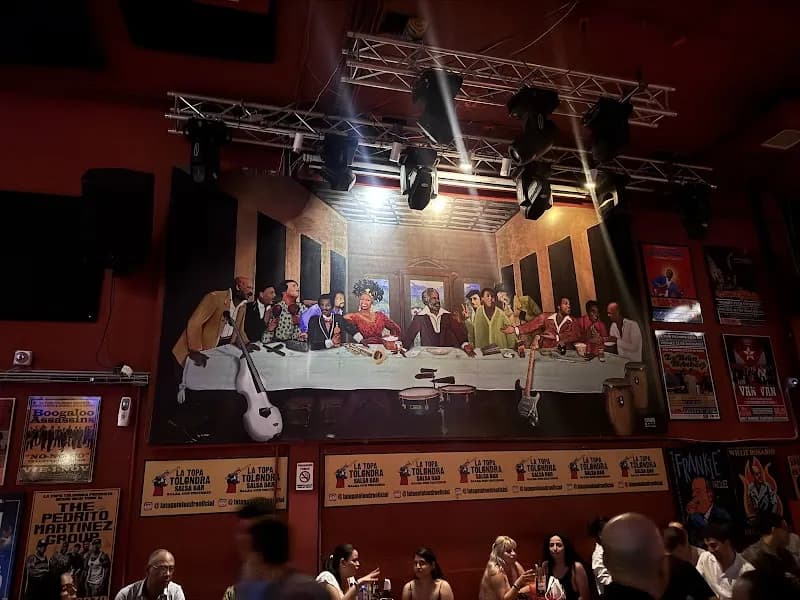
La Topa Tolondra — where the classroom is a dancefloor
- Best for: travellers who learn better by doing than by drilling
- Vibe: legendary social spot, dancefloor first, classes second
- Classes: occasional pre-rumba lessons; check the schedule before going
Not strictly a school — Topa is a salsa bar that's woven into every dancer's life in Cali. They run pre-rumba lessons on some nights and the dancefloor itself is where you'll log most of your real practice hours. Mix this with a daytime school and you have the complete loop: drill by day, apply by night.
- Best if: you want immersion over instruction, and you're disciplined enough to seek out classes elsewhere during the day.
- Link: View La Topa Tolondra on BestInCali
Sondeluz — beginner-friendly, family-led, low pressure
- Best for: total beginners, nervous dancers, solo travellers
- Vibe: warm, patient, family-led
- Classes: drop-in friendly, beginner-focused, English available
If the idea of Cali salsa is intimidating you out of trying, this is the gentle on-ramp. The teaching is structured around foreigners but it doesn't sell a watered-down product — you'll still learn the right basic step, just with more patience and fewer assumptions about what you arrived knowing. Many students continue with SalsaPura or El Manicero after their first week here.
- Best if: it's your first Latin dance class ever, or you want zero ego in the room while you start from scratch.
- Link: View Sondeluz on BestInCali
How long it takes to not be embarrassed on a Cali floor
Six months of consistent training before you're truly at home on a Cali discoteca floor. That means classes twice a week and rumbas at least once a week. Most travellers don't have six months — that's fine. Pick the right school, do a week well, and come back next year. You'll feel the difference faster than you expect.
Where to go from here
You don't need to be "a dancer" to have the best nights of your trip in Cali. Pick one school from My spots, book a first class for the morning after you land, and put yourself on a dancefloor that same night — even if you only do one slow song. That's the move. Everything else is footnotes.
On the map
Places mentioned in this article
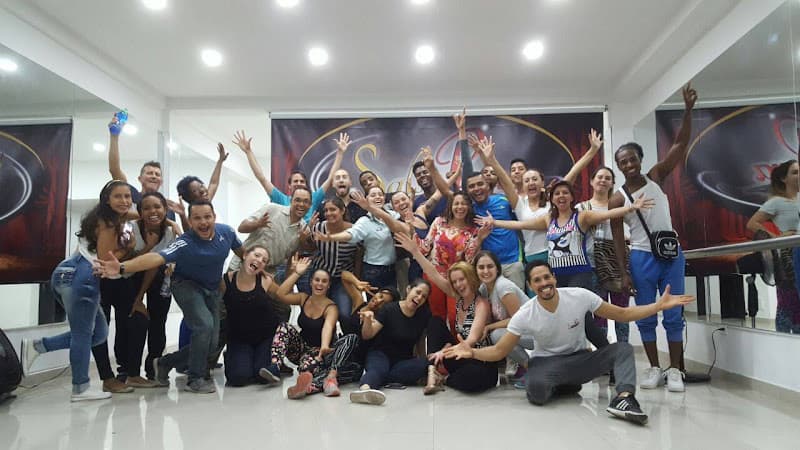
SalsaPura
“SalsaPura - Dance without borders — a salsa dance school in San Antonio, Cali. 4.8 stars across 106 Google reviews.”
- San Antonio · Cl. 4 #6-61, COMUNA 3, Cali, Valle del Cauca
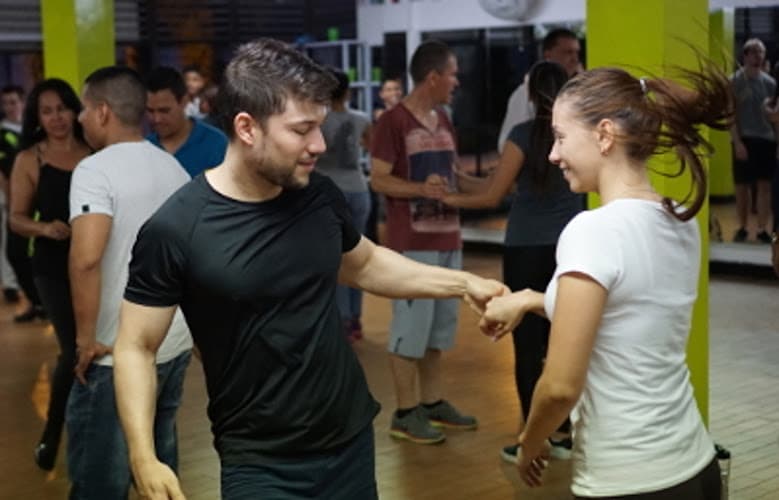
Academia de Baile El Manicero
“Academia de Baile El Manicero — a salsa dance school in Centro, Cali. 4.8 stars across 142 Google reviews.”
- Centro · Cl. 5 #39 - 71, Cali, Valle del Cauca
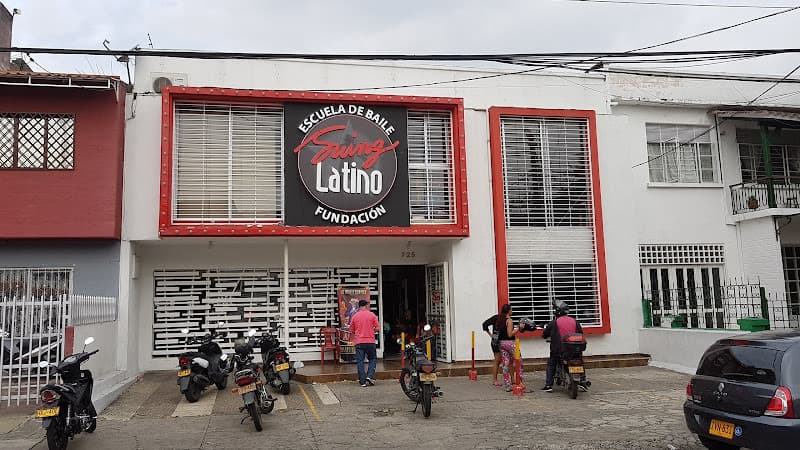
Swing Latino
“Swing Latino — a salsa dance school in La Alameda, Cali. 4.6 stars across 135 Google reviews.”
- La Alameda · Cra. 31 #7-25, La Alameda, Cali, Valle del Cauca
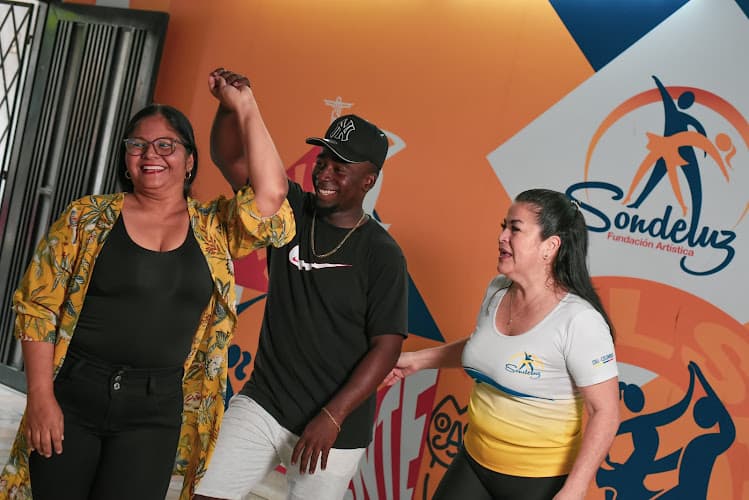
Sondeluz Escuela y Academia de Baile
“Sondeluz Escuela y Academia de Baile — a salsa dance school in La Alameda, Cali. 4.9 stars across 248 Google reviews.”
- La Alameda · Cra. 28 #9 - 68, La Alameda, Cali, Valle del Cauca
La Topa Tolondra
“Iconic, packed salsa club with mixed locals/visitors and cheap drinks. The quintessential Cali salsa experience.”
- San Antonio · Calle 3 #10-23
Frequently Asked Questions
Never miss a story from Cali
Get Valentina's weekly picks — the best restaurants, hidden gems, and local secrets delivered every Friday.
More from The Cali Edit

72 Hours in Cali: The Itinerary I Give Every Visiting Friend
Discover Cali in 72 hours with my curated itinerary. From San Antonio's charm to salsa rhythms, Pance's nature, and Cristo Rey's views, experience the city through local eyes.

Cali from Above: The Rooftops, Miradores, and Hills Worth the Climb
From the sprawling chaos of the streets to the serene expanse of the valley, seeing Cali from above reveals its true character. My expat guide to the city's best miradores, from iconic hills to...

Taxes in Colombia for Freelancers: The DIAN Reality for Foreign Residents
Navigating Colombian taxes as a foreign freelancer? I break down the 183-day rule, DIAN's portal, and actual costs for a 100M COP income, sharing my expat reality.

The Quiet Room at Museo La Tertulia: A Walk Through the New Permanent Hang
I walk through Museo La Tertulia's recently reinstalled permanent collection, exploring how the new hang illuminates Cali's modern art history and its enduring cultural heart.

Cali After Dark: What Changes at 10pm and How I Move
As a German expat, navigating Cali's nightlife took some adjustment. Here's my honest take on safety after dark: neighborhoods, transport, precautions, and avoiding paranoia.

What to See and Hear at Festival Ajazzgo 2026 — A Caleña's Programming Guide
Festival Ajazzgo 2026 is almost here! Join me, Camila Ordóñez, as I guide you through Cali's premier jazz event, from the grand Teatro Municipal to intimate late-night jams. Discover what makes...
More by Valentina Restrepo
All posts72 Hours in Cali: The Itinerary I Give Every Visiting Friend
Discover Cali in 72 hours with my curated itinerary. From San Antonio's charm to salsa rhythms, Pance's nature, and Cristo Rey's views, experience the city through local eyes.

Darién and the Hummingbird Sanctuaries: Cali's Quietest Best Day Trip
Escape Cali's heat for the cool cloud forests of Darién. Discover why this region teems with hummingbirds, visit serene sanctuaries, and plan your perfect day trip from the city with our local...

Cali's Pacific Heart: Understanding the Afro-Colombian Story the Brochures Skip
Cali's heart beats to the rhythm of the Pacific. Explore the deep Afro-Colombian heritage that defines our city, from its history and vibrant culture to the Petronio Álvarez festival and the...