


Aborrajados, Explained — and Where to Eat the Best Three in Cali
Dive into the golden, cheesy heart of Cali's iconic aborrajado. I explore its Pacific roots, culinary secrets, and guide you to the city's best, most authentic versions.
Written before the August 10 earthquake
This article describes Cali as it was before the earthquake. Venues, opening hours, routes and conditions mentioned here have not been re-checked, and some places may be damaged, closed or unreachable. Treat it as background, not as current guidance.
Emergency information and official updatesThe air in Cali often carries the scent of frying plantains, a sweet, starchy perfume that promises comfort and tradition. For me, that scent is the first whisper of an aborrajado, that glorious, golden orb that holds a special place in my heart, and in the heart of every Caleño.
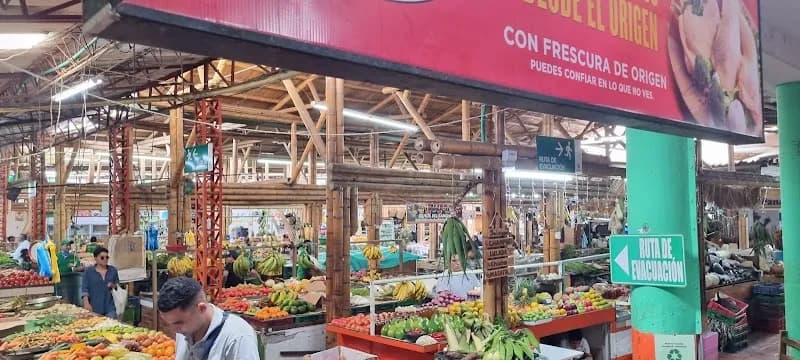
I remember vividly the first time I truly understood an aborrajado. It wasn't just a snack; it was an experience. I was a boy, maybe ten, in a small fonda near the Galería Alameda with my grandmother. The cook, Doña Consuelo, slid a plate across the counter, two perfectly fried aborrajados steaming gently. The golden-brown crust, slightly crisp, gave way to the soft, sweet flesh of ripe plantain, which in turn cradled a molten core of salty queso costeño. The flavors — the sweet, the savory, the hint of the frying oil — danced on my tongue. It was a symphony of textures and tastes, simple yet profound.
This isn't just a dish; it's a testament to the ingenuity of Afro-Colombian and Valle del Cauca kitchens, transforming humble ingredients into something truly extraordinary. My mission is to share these culinary treasures, and the aborrajado is a crown jewel.
What an aborrajado actually is (and why it's not the same as patacones)
Let's get this straight: an aborrajado is not a patacón. While both celebrate the plantain, they are distinct culinary expressions, each with its own magic. A patacón is made from green, unripe plantains, twice-fried until crisp and savory, often served as a side or a base for toppings.
An aborrajado, on the other hand, is a love letter to the ripe plantain. It begins with a plátano maduro, a mature, sweet plantain, roasted or boiled until tender. This soft, sweet plantain is then flattened, much like a patacón, but its inherent sweetness and yielding texture are the stars here.
Nestled within this sweet plantain embrace is a generous slice of queso costeño, a firm, salty white cheese that holds its shape when heated but becomes wonderfully gooey. The entire package is then dipped in a light, often slightly sweet, batter – sometimes enriched with flour, eggs, and a touch of sugar – before being deep-fried to a shimmering golden perfection.
The result is a contrast that borders on genius: the crispy, slightly sweet exterior yielding to the creamy, sugary plantain, punctuated by the salty, stretchy cheese. It's a sweet and savory sensation, a delightful bite that truly defines cocina Caleña.
The Pacific roots: ripe plantain, queso costeño, and the Buenaventura version
The story of the aborrajado is deeply woven into the fabric of Colombia's Pacific coast and the Valle del Cauca. Plantains, especially the ripe ones, are a staple in Afro-Colombian cuisine, a versatile fruit that forms the backbone of countless dishes, from stews to desserts.
My grandmother, who taught me to make encocado before I could even read, always said that the ripe plantain was a gift from the earth, a symbol of abundance. In Buenaventura, where I grew up, we had a version of the aborrajado that was perhaps a bit simpler, less refined, but no less delicious. It was often just the ripe plantain and cheese, fried without a heavy batter, letting the natural sweetness and saltiness shine.
On the map
Places mentioned in this article
Frequently Asked Questions
Never miss a story from Cali
Get Valentina's weekly picks — the best restaurants, hidden gems, and local secrets delivered every Friday.
More from The Cali Edit

Ceviche in Cali: Why the Pacific Coast Changes What You Think It Is
Cali's ceviche scene is a vibrant fusion of Pacific freshness and local flavors. Discover the distinct styles, top cevicherías, and how to savor this essential Caleño dish like a true local.

Why Sevilla Coffee Tastes Like Sevilla: A Lesson at Hacienda San Andrés
Journey to Hacienda San Andrés in Sevilla, Valle del Cauca, to understand what makes its specialty coffee so revered by locals and experts alike. A deep dive into cultivation, processing, and cupping.

Galería Alameda: How to Shop Cali's Most Chaotic, Generous Market
Galería Alameda isn't just a market; it's the heart of Cali. Forget sterile supermarkets—here, you haggle for the freshest produce, discover exotic fruits, and taste the real Cali with every bite....

Cali After Dark: The Cocktail Bars Doing Something Interesting
Cali's cocktail scene is quietly leveling up. I spent a month exploring the bars doing something different with aguardiente, local fruits, and a less-touristy vibe. Here's where to start.

Chuleta Valluna: The Fried Pork Plate That Defines Cali's Table
Chuleta valluna isn't just a breaded pork chop; it's a Caleño culinary experience. Crisp, savory, and always piled high with sides, it's the ultimate comfort food. Here's where to find the best.

A Caleño Breakfast: What to Order, and What the Menu Calls It
My first Cali breakfast was a disaster. Now, 18 months in, I can order like a pro. Here's your field guide to navigating a Caleño morning menu, from *calentado* to *buñuelos*.
More by Andrés Lozano
All postsWhy Sevilla Coffee Tastes Like Sevilla: A Lesson at Hacienda San Andrés
Journey to Hacienda San Andrés in Sevilla, Valle del Cauca, to understand what makes its specialty coffee so revered by locals and experts alike. A deep dive into cultivation, processing, and cupping.

The Sancocho Diary: A Wednesday at La Cocina de Doña Eulalia
Dive into the heart of Cali with a Wednesday sancocho de gallina at Doña Eulalia's. Discover the secrets of this iconic Cocina Caleña dish and why it's the perfect midday fuel.