


Galería Alameda: How to Shop Cali's Most Chaotic, Generous Market
Galería Alameda isn't just a market; it's the heart of Cali. Forget sterile supermarkets—here, you haggle for the freshest produce, discover exotic fruits, and taste the real Cali with every bite....
Written before the August 10 earthquake
This article describes Cali as it was before the earthquake. Venues, opening hours, routes and conditions mentioned here have not been re-checked, and some places may be damaged, closed or unreachable. Treat it as background, not as current guidance.
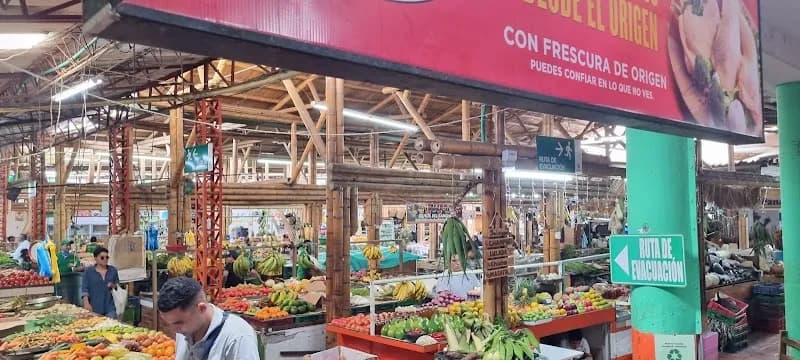
Emergency information and official updatesI always tell visitors to start in San Antonio, wander through El Peñón, maybe grab a drink in Granada. But if you want to feel Cali, you have to get lost in Galería Alameda. It’s not a pretty, curated experience. It’s loud, chaotic, overwhelming at first. But it’s also where Caleños (people from Cali) buy what they eat. It's where I buy what I cook for my family.
The galería (market) is more than just a place to shop; it’s a social hub, a living history, and a testament to the resilience and spirit of Cali. From the sweet tang of lulo to the rhythmic calls of vendors, Alameda awakens all your senses.
Why Caleños shop at Alameda and not a supermarket
Supermarkets have their place, sure. If I need imported cheese or a specific brand of olive oil, I'll go to one in Ciudad Jardín. But for everyday fruits, vegetables, and meats? Alameda wins every time.
First, there's the freshness. Produce comes directly from farms in the surrounding Valle del Cauca, often arriving before dawn. You can taste the difference. Second, there's the price. You're buying directly from the source, cutting out the supermarket markup. And third, there's the sabor (flavor). Supermarkets are sterile. Alameda is alive.
It’s also about supporting local farmers and vendors, keeping the money within our community. We Caleños are loyal to those who work hard to bring us the best.
The stalls I go to (and who knows my mother)
I have my go-to stalls, the vendors who know my face, who ask after my mamá (mother). Doña Rosa, near the main entrance, always has the sweetest mangoes. She’ll let you taste a slice before you buy, and she always throws in an extra one for good measure – the ñapa (bonus).
Then there's Carlos, the butcher, whose family has been selling meat in Alameda for three generations. He knows exactly what cut I need for sancocho (traditional soup) and always has a smile and a story to share. He also knows that I'm picky about the gordito (fat) to meat ratio.
These personal connections are what make Alameda special. It's not just a transaction; it's a relationship.
How to ask for fruit you've never seen before
Okay, parcero (friend), this is important. You will see fruits you’ve never even dreamed of: chontaduro, níspero, guanábana. Don't be shy!
The best way to approach it is with curiosity and respect. Point to the fruit and ask, “¿Cómo se llama esto?” (What is this called?). Then ask, “¿Cómo se come?” (How do you eat it?). The vendors are usually happy to explain, offer a taste, and even share a recipe.
Don't be afraid to try something new. That's part of the Alameda adventure. And if you don't like it, no problem. Just say, “Gracias, muy amable” (Thank you, very kind) and move on.
The ñapa, the regateo, and the rules that are not written
Ah, the ñapa (bonus) and the regateo (haggling). These are essential parts of the Alameda experience.
The ñapa is a small gift, a little extra something thrown in as a sign of generosity. It could be an extra piece of fruit, a handful of herbs, or a few extra potatoes. It’s not guaranteed, but it’s more likely to happen if you're friendly and build a rapport with the vendor.
The regateo is the art of haggling. It's expected in Alameda, but it's not about being aggressive or disrespectful. It's about finding a fair price for both you and the vendor. Start by asking, “¿Cuánto es lo menos?” (What's the lowest you'll go?). Be polite, smile, and be willing to walk away if you can't reach an agreement. Remember that these vendors are working hard to make a living. Don't try to squeeze them too hard.
The unwritten rules? Be respectful, be patient (especially on weekends), and don't block the aisles. And always, always say gracias.
Where to eat breakfast inside the market
Galería Alameda isn't just for buying groceries; it's also a fantastic place to grab breakfast. There are dozens of small comedores (eateries) serving up traditional Caleño fare.
My favorite is Doña Elena’s, near the back entrance. She makes the best calentado (rice, beans, plantain, and meat) in the entire market. It's hearty, flavorful, and the perfect way to start the day. She also makes a mean arepa con huevo (corn cake with egg).
You can also find empanadas, buñuelos, aborrajados (plantain fritters), and fresh juices galore. Just wander around and see what catches your eye (and nose). Don't be afraid to try something new. Most dishes cost only a few thousand pesos — incredibly affordable.
What to bring, what to wear, how long to plan
Okay, so you're ready to brave Alameda. Here's what you need to know:
- What to bring: Cash (small bills and coins are best), a reusable shopping bag, and a sense of adventure.
- What to wear: Comfortable shoes (you'll be doing a lot of walking), light clothing (it can get hot and humid), and minimal jewelry (avoid drawing unwanted attention).
- How long to plan: At least two to three hours. You'll want time to wander, explore, and soak it all in. Weekday mornings are less crowded than weekends.
A final tip: keep an eye on your belongings. While Alameda is generally safe, petty theft can occur, especially in crowded areas. Leave your fancy watch at home. Keep your phone in a secure pocket.
Galería Alameda is more than just a market; it's a microcosm of Cali itself. It's a place where you can experience the city's energy, its flavors, and its people.
It’s a place where the past and present collide, where tradition and modernity coexist. It’s not always easy, but it’s always real. And that’s why I love it. I hope you will too. And if you need more Cali tips, Maya has you covered with her field notes.
On the map
Places mentioned in this article
Frequently Asked Questions
Never miss a story from Cali
Get Valentina's weekly picks — the best restaurants, hidden gems, and local secrets delivered every Friday.
More from The Cali Edit

Ceviche in Cali: Why the Pacific Coast Changes What You Think It Is
Cali's ceviche scene is a vibrant fusion of Pacific freshness and local flavors. Discover the distinct styles, top cevicherías, and how to savor this essential Caleño dish like a true local.

Aborrajados, Explained — and Where to Eat the Best Three in Cali
Dive into the golden, cheesy heart of Cali's iconic aborrajado. I explore its Pacific roots, culinary secrets, and guide you to the city's best, most authentic versions.

Why Sevilla Coffee Tastes Like Sevilla: A Lesson at Hacienda San Andrés
Journey to Hacienda San Andrés in Sevilla, Valle del Cauca, to understand what makes its specialty coffee so revered by locals and experts alike. A deep dive into cultivation, processing, and cupping.

Cali After Dark: The Cocktail Bars Doing Something Interesting
Cali's cocktail scene is quietly leveling up. I spent a month exploring the bars doing something different with aguardiente, local fruits, and a less-touristy vibe. Here's where to start.

Chuleta Valluna: The Fried Pork Plate That Defines Cali's Table
Chuleta valluna isn't just a breaded pork chop; it's a Caleño culinary experience. Crisp, savory, and always piled high with sides, it's the ultimate comfort food. Here's where to find the best.

A Caleño Breakfast: What to Order, and What the Menu Calls It
My first Cali breakfast was a disaster. Now, 18 months in, I can order like a pro. Here's your field guide to navigating a Caleño morning menu, from *calentado* to *buñuelos*.
More by Valentina Restrepo
All posts
72 Hours in Cali: The Itinerary I Give Every Visiting Friend
Discover Cali in 72 hours with my curated itinerary. From San Antonio's charm to salsa rhythms, Pance's nature, and Cristo Rey's views, experience the city through local eyes.

Darién and the Hummingbird Sanctuaries: Cali's Quietest Best Day Trip
Escape Cali's heat for the cool cloud forests of Darién. Discover why this region teems with hummingbirds, visit serene sanctuaries, and plan your perfect day trip from the city with our local...

Cali's Pacific Heart: Understanding the Afro-Colombian Story the Brochures Skip
Cali's heart beats to the rhythm of the Pacific. Explore the deep Afro-Colombian heritage that defines our city, from its history and vibrant culture to the Petronio Álvarez festival and the...