


Why Sevilla Coffee Tastes Like Sevilla: A Lesson at Hacienda San Andrés
Journey to Hacienda San Andrés in Sevilla, Valle del Cauca, to understand what makes its specialty coffee so revered by locals and experts alike. A deep dive into cultivation, processing, and cupping.
Written before the August 10 earthquake
This article describes Cali as it was before the earthquake. Venues, opening hours, routes and conditions mentioned here have not been re-checked, and some places may be damaged, closed or unreachable. Treat it as background, not as current guidance.
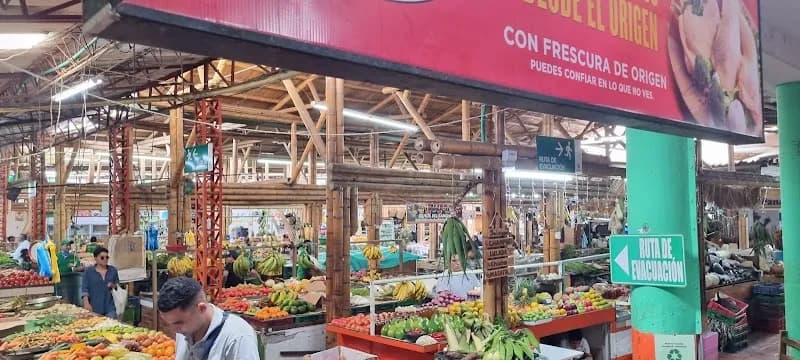
Emergency information and official updatesThe air in Sevilla, Valle del Cauca, hits different. It's cool, crisp, carrying the faint, sweet scent of ripe fruit and damp earth, a world away from the humid embrace of Cali. I remember my first time truly tasting coffee from this region, not just drinking it. It was at a small fonda near the Galería Alameda, a cup that sang with bright acidity and a subtle panela sweetness, something I hadn't found consistently before.
That experience sent me on a quest, one that led me up into the mountains, past sugarcane fields giving way to verdant coffee fincas. My destination: the hills around Sevilla, and specifically, the area near Hacienda San Andrés. It's a place where the rhythm of life is dictated by the sun, the rain, and the delicate cycle of the coffee cherry.
I believe the best way to understand a food or drink is to trace it back to its source, to the hands that cultivate it, and the land that nurtures it. For Sevilla coffee, this journey is not just educational; it's a sensory immersion into the heart of Valle del Cauca's agricultural soul.
What 'Sevilla coffee' actually means (and why caleños are protective of the name)
To a caleño, "Sevilla coffee" isn't just a geographical marker; it's a badge of honor, a promise of quality. The municipality of Sevilla, nestled in the eastern cordillera of the Andes, boasts a unique microclimate that is absolutely ideal for cultivating high-altitude Arabica beans. We're talking elevations often exceeding 1,500 meters (about 4,900 feet), where cooler temperatures slow down the maturation of the coffee cherry.
This slower development allows the coffee bean inside to absorb more nutrients and develop a richer, more complex aromatic profile. The volcanic soil, rich in organic matter, also plays a crucial role, imparting distinct mineral notes that become part of the coffee's unique terroir.
I've heard producers in the region describe it as the coffee equivalent of fine wine, where every aspect of the environment – soil, climate, altitude, and even the specific varietals grown – contributes to the final cup. It's a holistic approach to agriculture, passed down through generations.
Historically, coffee has been the backbone of many Valle del Cauca communities since the late 19th and early 20th centuries. Farmers here have painstakingly refined their techniques, understanding that quality isn't just about the bean, but about every step from seed to cup. This dedication is why caleños are so fiercely proud of their local brew.
The typical flavor profile associated with Sevilla coffee often includes vibrant citrus notes, like orange or mandarin, balanced by a deep, comforting sweetness reminiscent of panela (unrefined cane sugar) or caramel. You might also find hints of chocolate, nuts, and sometimes a delicate floral aroma, creating a beautifully balanced and aromatic cup that truly stands out.
A morning at Hacienda San Andrés — the cherry, the wash, the dry
The drive up to Sevilla, winding through lush green mountains, is a spectacle in itself. As you climb, the air cools, and the landscape shifts, with towering coffee bushes replacing the lower-lying crops. Visiting a farm like Hacienda San Andrés offers an intimate look at the meticulous process behind that perfect morning cup.
My visit began in the early morning, just as the sun was burning off the last wisps of mist from the valleys. The sight of the coffee plants, heavy with ripe cherries, is truly something to behold. The cherries glowed in shades of crimson and deep red, a testament to months of careful cultivation.
I watched as pickers, often women with deep knowledge of the plants, moved gracefully through the rows, their hands expertly selecting only the perfectly ripe fruit. This selective hand-picking, known as recolección selectiva, is fundamental. Unripe or overripe cherries can ruin an entire batch, so precision is key. The gentle thump of cherries falling into their baskets is a rhythmic soundtrack to the farm's morning.
From the fields, the cherries are quickly transported to the wet mill. Here, the depulping machine, a marvel of simple engineering, efficiently strips the outer skin and pulp from the beans. The whirring sound of the machine is a constant, ensuring the freshest possible separation of bean from fruit. The beans, still encased in a sticky mucilage layer, then move to fermentation tanks.
This fermentation stage is where much of the coffee's character truly begins to develop. Depending on the desired flavor profile and the specific method – whether wet, dry, or anaerobic – the beans might ferment for anywhere from 12 to 36 hours. The air around the tanks carries a distinct, slightly sweet, yeasty aroma, a natural byproduct of the sugars breaking down. This delicate balance of time and temperature is crucial; too little, and the coffee lacks complexity; too much, and it can develop undesirable notes.
After fermentation, the beans are thoroughly washed to remove any remaining mucilage. I observed the beans tumbling in clean water, emerging bright and clean, ready for drying. This is where the magic of transforming a wet, sticky seed into a stable, aromatic green bean truly happens.
At Hacienda San Andrés, like many quality farms in the region, they utilize a combination of drying methods. Some beans are spread out on large concrete patios, known as patios de secado, where they are regularly raked and turned by hand under the warm sun. The visual of thousands of beans, glistening in the sun, slowly changing color, is captivating.
Other beans might go into parabolic dryers, which look like large, covered greenhouses, protecting the beans from rain while allowing for controlled airflow and temperature. Some even use raised beds, allowing air to circulate around the beans from all sides, ensuring even drying. The slow, careful drying process, often taking weeks, reduces the moisture content to a precise level, preparing the beans for storage and export, and locking in their unique flavors.
The cupping vocabulary you need to taste it like the producer does
After observing the journey of the bean from cherry to dried green coffee, the next crucial step is understanding how its quality is assessed: through a process called cupping (catación).
Cupping is a standardized method for evaluating coffee's sensory attributes, used by producers, buyers, and roasters worldwide. It’s a quiet, focused ritual, designed to reveal the coffee's true character without the influence of brewing method or added milk or sugar. I've participated in countless cuppings, and each time, I learn something new about the subtle nuances of coffee.
The setup is simple: small glass bowls, each containing a precisely measured amount of freshly ground coffee, arranged in a row. Hot water, just off the boil, is poured over the grounds. The first step is to assess the fragancia (fragrance) of the dry grounds. You lean in, inhaling deeply, searching for notes of chocolate, nuts, spices, or florals.
Once the hot water is added, the coffee is left to steep for about four minutes, forming a 'crust' on the surface. This is when you evaluate the aroma (wet aroma). Breaking the crust with a spoon, you push aside the floating grounds, inhaling the steam. This releases a more intense burst of aromatics – perhaps brighter fruit notes, deeper earthy tones, or more pronounced sweetness.
After breaking the crust, the floating grounds are skimmed off the surface, leaving a clear liquid. Now comes the tasting. Using a special cupping spoon, you slurp the coffee loudly. This isn't impolite; it's functional. Slurping atomizes the coffee, spraying it across your entire palate and allowing volatile aromas to reach your olfactory receptors, maximizing the sensory experience.
As the coffee cools, its flavors evolve. You're looking for several key attributes:
- Flavor (Sabor): What specific tastes do you detect? For a Sevilla coffee, I often find notes of orange, red apple, panela, honey, and sometimes a hint of dark chocolate.
- Aftertaste (Regusto): How long do the pleasant flavors linger after you swallow? Is it clean, sweet, or does it fade quickly?
- Acidity (Acidez): Not sourness, but a pleasant brightness, like that of a fresh fruit. Is it sparkling, citric, malic (like green apple)? Sevilla coffees often have a lovely, vibrant acidity.
- Body (Cuerpo): The mouthfeel, or weight, of the coffee. Is it light and tea-like, or rich and creamy? A good Sevilla coffee typically has a medium to full body.
- Balance (Balance): Do all the attributes harmonize, or does one overpower the others? A truly great coffee is well-balanced.
- Sweetness (Dulzor): A natural sweetness inherent in the coffee, distinct from added sugar. This is often a hallmark of well-processed Colombian beans.
- Clean Cup (Taza Limpia): Is the cup free of any taints or off-flavors? This speaks to meticulous processing.
- Uniformity (Uniformidad): Are all the cups in the flight (if cupping multiple samples of the same coffee) consistent in flavor?
- Overall (General): The general impression and subjective enjoyment of the coffee.
This structured approach allows producers to understand their coffee's strengths and weaknesses, guiding them in refining their practices and ensuring they meet the high standards expected of specialty coffee. It’s a language that connects the farm to the global coffee market, ensuring fair value for exceptional beans.
How to buy directly from the farm — and why that matters for the next harvest
One of the most impactful ways to support the incredible work done at places like Hacienda San Andrés is to buy coffee directly from the source. This practice, often referred to as direct trade, cuts out many intermediaries, ensuring a larger portion of the final price goes directly to the farmers and their communities.
When you buy directly, you're not just purchasing coffee; you're investing in a sustainable future for these agricultural regions. Farmers can use these increased earnings to improve their infrastructure, invest in better processing equipment, and implement more environmentally friendly practices. This direct connection fosters a relationship of transparency and trust, which is rare in many global supply chains.
I’ve seen firsthand how crucial this is. A farmer I once spoke with in a similar region explained that the stability provided by direct sales allowed them to pay their pickers better wages, ensuring a higher quality of life for their workers and incentivizing the meticulous hand-picking that defines specialty coffee. It creates a virtuous cycle where quality is rewarded, and communities thrive.
Direct purchases also support the next harvest. With better financial stability, farmers can afford to invest in soil health, new disease-resistant coffee varietals, and sustainable water management systems. This ensures the longevity of the farm and the continued production of exceptional coffee for years to come. It's a powerful way for consumers to make a tangible difference with every cup they brew.
Many farms in the Sevilla region, including Hacienda San Andrés, welcome visitors and offer opportunities to purchase their roasted coffee directly. This allows you to bring home a piece of the Valle del Cauca, knowing exactly where your coffee came from and the care that went into producing it. It’s a much more personal connection than grabbing a bag from a supermarket shelf.
Practical: how to plan the day trip from Cali, what to wear, what it costs
Planning a day trip to Sevilla to explore its coffee culture is an enriching experience that I highly recommend. It’s a manageable journey from Cali and offers a refreshing change of pace.
Getting There
Sevilla is located approximately 160-180 kilometers northeast of Cali, a drive that typically takes around 3 to 4 hours, depending on traffic and road conditions. The most common way to get there is by bus from Cali's main transport terminal. Look for companies that go directly to Sevilla. The cost is generally quite affordable, often ranging from COP 30,000 to COP 50,000 per person each way.
Alternatively, you can arrange for a private car or join an organized tour, which might be more comfortable and include transportation directly to a coffee farm. This is often a good option for those who prefer not to navigate public transport in a new region.
Visiting a Coffee Farm
While Hacienda San Andrés is a significant presence in the area, it’s always best practice to contact any coffee farm you wish to visit in advance to confirm their tour availability and make a reservation. Many farms operate by appointment, especially for personalized tours. A typical farm tour will walk you through the entire process, from cherry to cup, often culminating in a cupping session.
Expect tour prices to vary, but a comprehensive farm experience, including a guided walk and coffee tasting, typically starts around COP 50,000 to COP 100,000 per person. Some tours might include lunch, which is always a treat, offering local specialties often made with fresh ingredients from the farm itself.
What to Wear and Bring
The climate in Sevilla is cooler than Cali, especially in the mornings and evenings, due to its higher elevation. I recommend dressing in layers. Comfortable walking shoes are essential, as you'll be traversing uneven terrain on the farm. A hat and sunscreen are also advisable, as the sun can be strong even on cloudy days. Don't forget a reusable water bottle to stay hydrated.
Exploring Sevilla Town
Before or after your farm visit, take some time to explore the charming town of Sevilla itself. It’s a typical Colombian coffee town, with a central plaza, a beautiful church, and friendly locals. You can find small cafes serving freshly brewed local coffee and panaderías selling delicious pastries. It's a wonderful place to soak in the authentic rural Colombian atmosphere.
For more ideas on excursions outside the city, check out our guide to day trips from Cali.
To truly appreciate the heart of Valle del Cauca's coffee, a visit to a farm like Hacienda San Andrés is indispensable. Order a fresh cup brewed right there on the farm, taste the care in every sip, and know that you’re supporting a legacy of passion and expertise. It’s an experience that connects you directly to the land and the dedicated people who cultivate one of Colombia's most cherished treasures.
On the map
Places mentioned in this article
Frequently Asked Questions
Never miss a story from Cali
Get Valentina's weekly picks — the best restaurants, hidden gems, and local secrets delivered every Friday.
More from The Cali Edit

Ceviche in Cali: Why the Pacific Coast Changes What You Think It Is
Cali's ceviche scene is a vibrant fusion of Pacific freshness and local flavors. Discover the distinct styles, top cevicherías, and how to savor this essential Caleño dish like a true local.

Aborrajados, Explained — and Where to Eat the Best Three in Cali
Dive into the golden, cheesy heart of Cali's iconic aborrajado. I explore its Pacific roots, culinary secrets, and guide you to the city's best, most authentic versions.

Galería Alameda: How to Shop Cali's Most Chaotic, Generous Market
Galería Alameda isn't just a market; it's the heart of Cali. Forget sterile supermarkets—here, you haggle for the freshest produce, discover exotic fruits, and taste the real Cali with every bite....

Cali After Dark: The Cocktail Bars Doing Something Interesting
Cali's cocktail scene is quietly leveling up. I spent a month exploring the bars doing something different with aguardiente, local fruits, and a less-touristy vibe. Here's where to start.

Chuleta Valluna: The Fried Pork Plate That Defines Cali's Table
Chuleta valluna isn't just a breaded pork chop; it's a Caleño culinary experience. Crisp, savory, and always piled high with sides, it's the ultimate comfort food. Here's where to find the best.

A Caleño Breakfast: What to Order, and What the Menu Calls It
My first Cali breakfast was a disaster. Now, 18 months in, I can order like a pro. Here's your field guide to navigating a Caleño morning menu, from *calentado* to *buñuelos*.
More by Andrés Lozano
All postsAborrajados, Explained — and Where to Eat the Best Three in Cali
Dive into the golden, cheesy heart of Cali's iconic aborrajado. I explore its Pacific roots, culinary secrets, and guide you to the city's best, most authentic versions.

The Sancocho Diary: A Wednesday at La Cocina de Doña Eulalia
Dive into the heart of Cali with a Wednesday sancocho de gallina at Doña Eulalia's. Discover the secrets of this iconic Cocina Caleña dish and why it's the perfect midday fuel.